Explore
 Validate
 Learn
Learn15695-1-AP
antibody from Proteintech Group
Targeting: MAP1S
BPY2IP1, C19orf5, FLJ10669, MAP8, VCY2IP1
 Western blot
 ELISA
ELISAAntibody data
- Antibody Data
- Antigen structure
- References [10]
- Comments [0]
- Validations
- Western blot [1]
- Immunocytochemistry [1]
- Immunohistochemistry [2]
Submit
Validation data
Reference
Comment
Report error
- Product number
- 15695-1-AP - Provider product page

- Provider
- Proteintech Group
- Proper citation
- Proteintech Cat#15695-1-AP, RRID:AB_2137868
- Product name
- MAP1S antibody
- Antibody type
- Polyclonal
- Description
- KD/KO validated MAP1S antibody (Cat. #15695-1-AP) is a rabbit polyclonal antibody that shows reactivity with human and has been validated for the following applications: IF, IHC, IP, WB,ELISA.
- Reactivity
- Human
- Host
- Rabbit
- Conjugate
- Unconjugated
- Isotype
- IgG
- Vial size
- 20ul, 150ul
Submitted references A mechanistic study revealing that SLCO1B3 promotes gastric cancer development and metastasis through MAP1S expression downregulation.
Phosphorylation enables progressive microtubule-associated protein proteolysis and functionalisation during neural development.
Arginylation of ⍺-tubulin at E77 regulates microtubule dynamics via MAP1S.
Lipid droplets: a candidate new research field for epithelial ovarian cancer.
HBx-induced upregulation of MAP1S drives hepatocellular carcinoma proliferation and migration via MAP1S/Smad/TGF-β1 loop.
Cryptic splicing events result in unexpected protein products from calpain-10 (CAPN10) cDNA.
Regulators of tubulin polyglutamylation control nuclear shape and cilium disassembly by balancing microtubule and actin assembly.
Proteomic Analysis of Dendritic Filopodia-Rich Fraction Isolated by Telencephalin and Vitronectin Interaction.
MAP1B-LC1 prevents autophagosome formation by linking syntaxin 17 to microtubules.
Depletion of JMJD5 sensitizes tumor cells to microtubule-destabilizing agents by altering microtubule stability.
Liang S, Huang Y, Li L, Zeng Q, Liao W, Li W, Qin L, Li B
BMC cancer 2026 Mar 29;26(1)
BMC cancer 2026 Mar 29;26(1)
Phosphorylation enables progressive microtubule-associated protein proteolysis and functionalisation during neural development.
Yang Z, Liczmanska M, Hogg EKJ, Wallace I, Zhou H, Gourlay R, Squires I, Li Z, Hao Y, Brown F, Toth R, Macartney T, Hastie CJ, Qi YA, Gierlinski M, Bustos F, Findlay GM
bioRxiv : the preprint server for biology 2025 Sep 20;
bioRxiv : the preprint server for biology 2025 Sep 20;
Arginylation of ⍺-tubulin at E77 regulates microtubule dynamics via MAP1S.
MacTaggart B, Wang J, Tang HY, Kashina A
The Journal of cell biology 2025 Apr 7;224(4)
The Journal of cell biology 2025 Apr 7;224(4)
Lipid droplets: a candidate new research field for epithelial ovarian cancer.
Koizume S, Takahashi T, Miyagi Y
Frontiers in pharmacology 2024;15:1437161
Frontiers in pharmacology 2024;15:1437161
HBx-induced upregulation of MAP1S drives hepatocellular carcinoma proliferation and migration via MAP1S/Smad/TGF-β1 loop.
Guan Y, Li J, Sun B, Xu K, Zhang Y, Ben H, Feng Y, Liu M, Wang S, Gao Y, Duan Z, Zhang Y, Chen D, Wang Y
International journal of biological macromolecules 2024 Nov;281(Pt 3):136327
International journal of biological macromolecules 2024 Nov;281(Pt 3):136327
Cryptic splicing events result in unexpected protein products from calpain-10 (CAPN10) cDNA.
Ono Y, Doi N, Shindo M, Pánico P, Salazar AM
Biochimica et biophysica acta. Molecular cell research 2022 Mar;1869(3):119188
Biochimica et biophysica acta. Molecular cell research 2022 Mar;1869(3):119188
Regulators of tubulin polyglutamylation control nuclear shape and cilium disassembly by balancing microtubule and actin assembly.
Wang L, Paudyal SC, Kang Y, Owa M, Liang FX, Spektor A, Knaut H, Sánchez I, Dynlacht BD
Cell research 2022 Feb;32(2):190-209
Cell research 2022 Feb;32(2):190-209
Proteomic Analysis of Dendritic Filopodia-Rich Fraction Isolated by Telencephalin and Vitronectin Interaction.
Furutani Y, Yoshihara Y
Frontiers in synaptic neuroscience 2018;10:27
Frontiers in synaptic neuroscience 2018;10:27
MAP1B-LC1 prevents autophagosome formation by linking syntaxin 17 to microtubules.
Arasaki K, Nagashima H, Kurosawa Y, Kimura H, Nishida N, Dohmae N, Yamamoto A, Yanagi S, Wakana Y, Inoue H, Tagaya M
EMBO reports 2018 Aug;19(8)
EMBO reports 2018 Aug;19(8)
Depletion of JMJD5 sensitizes tumor cells to microtubule-destabilizing agents by altering microtubule stability.
Wu J, He Z, Wang DL, Sun FL
Cell cycle (Georgetown, Tex.) 2016 Nov;15(21):2980-2991
Cell cycle (Georgetown, Tex.) 2016 Nov;15(21):2980-2991
No comments: Submit comment
Supportive validation
- Submitted by
- Proteintech Group (provider)
- Main image
- Experimental details
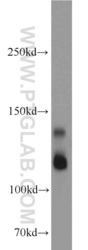
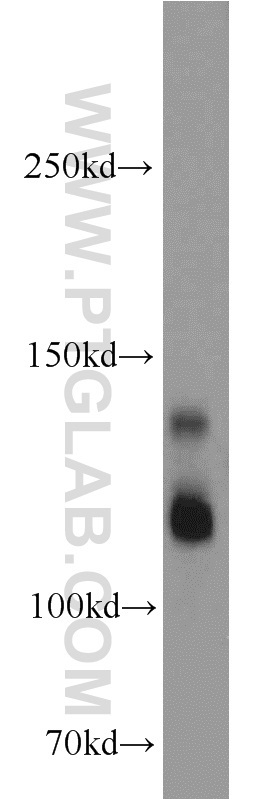
- human brain tissue were subjected to SDS PAGE followed by western blot with 15695-1-AP(MAP1S antibody) at dilution of 1:1000
- Sample type
- tissue
Supportive validation
- Submitted by
- Proteintech Group (provider)
- Main image
- Experimental details
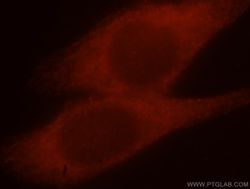
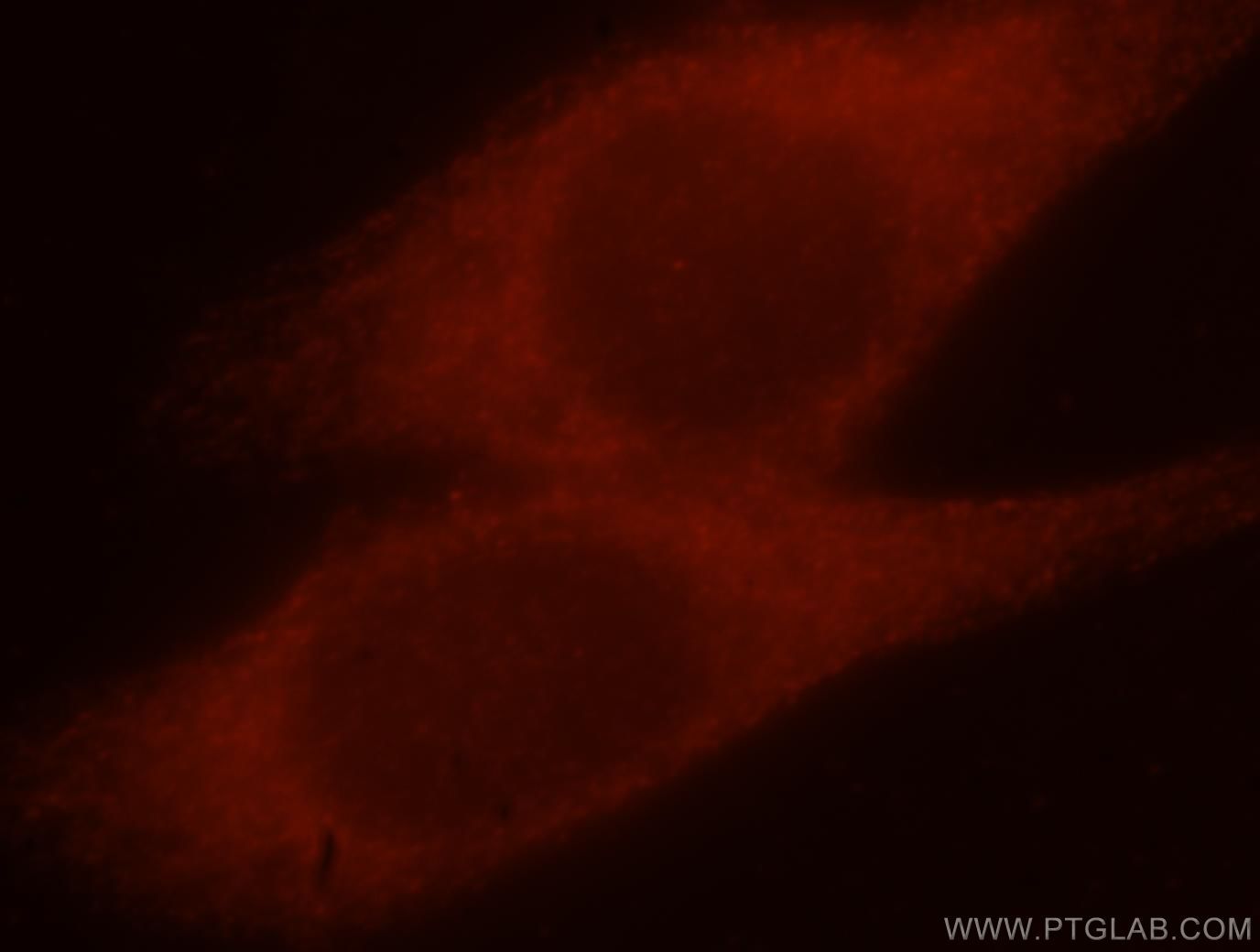
- Immunofluorescent analysis of Hela cells, using MAP1S antibody 15695-1-AP at 1:25 dilution and Rhodamine-labeled goat anti-rabbit IgG (red).
- Sample type
- cell line
Supportive validation
- Submitted by
- Proteintech Group (provider)
- Main image
- Experimental details
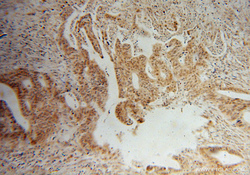
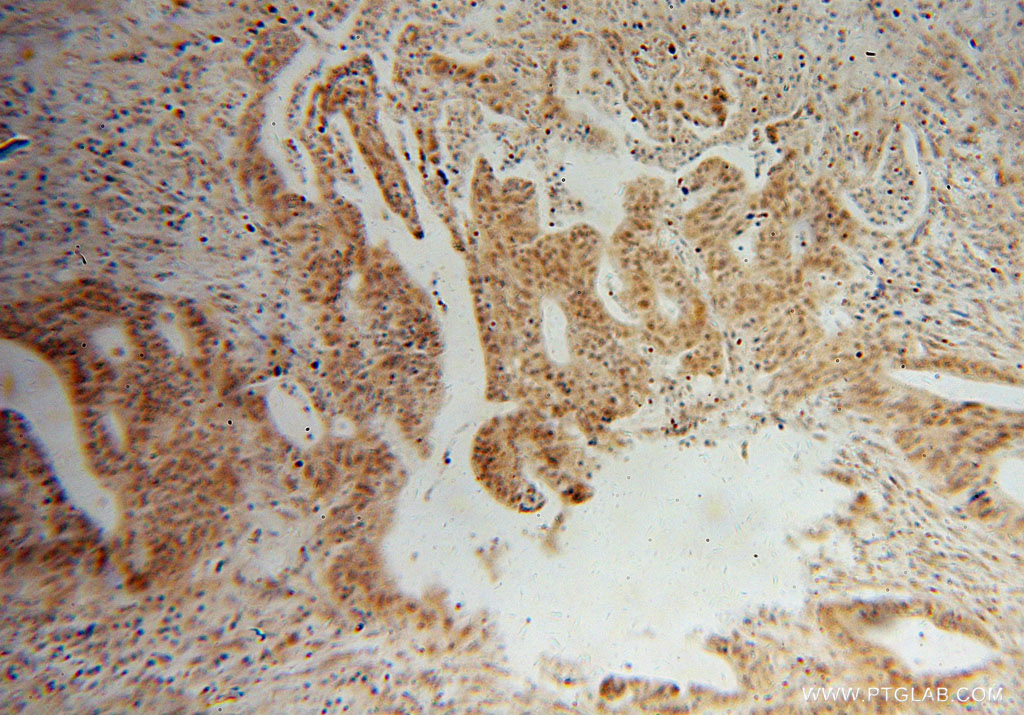
- Immunohistochemical of paraffin-embedded human colon cancer using 15695-1-AP(MAP1S antibody) at dilution of 1:50 (under 10x lens)
- Sample type
- tissue
- Submitted by
- Proteintech Group (provider)
- Main image
- Experimental details
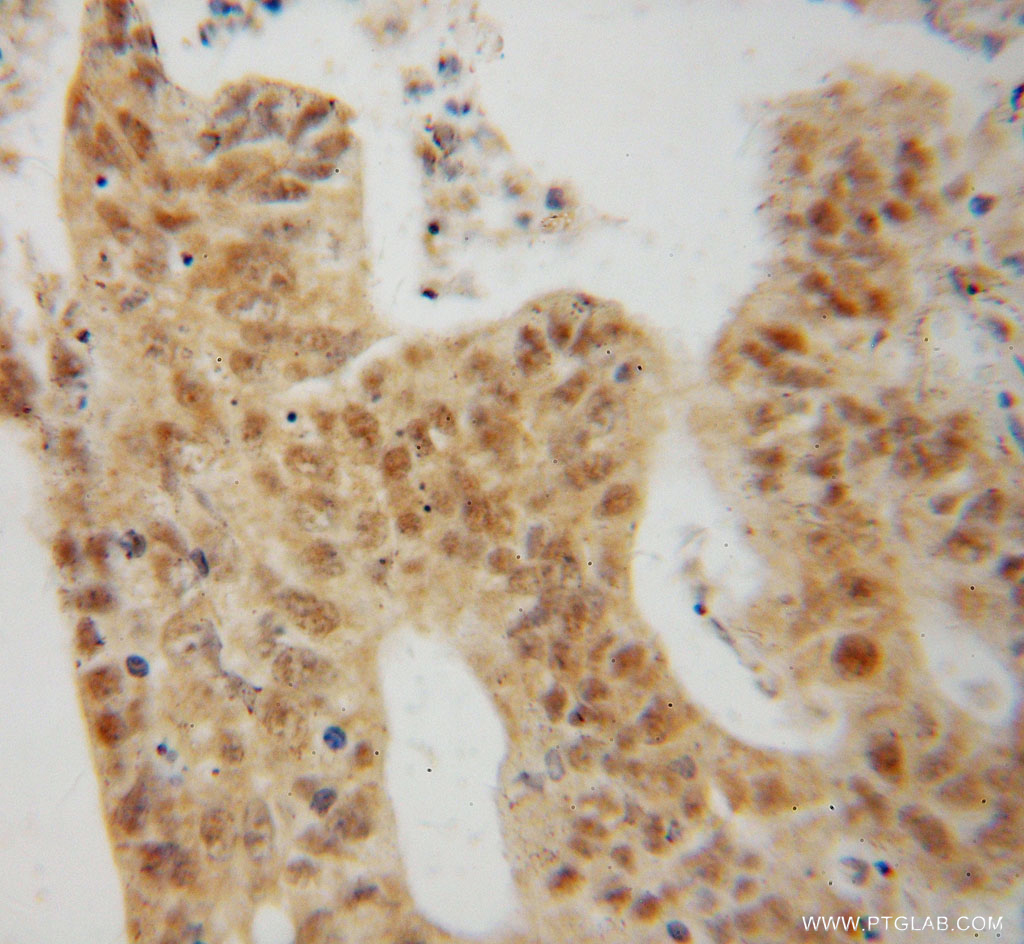
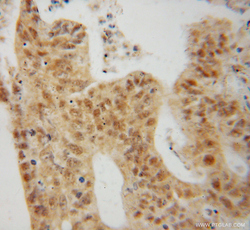
- Immunohistochemical of paraffin-embedded human colon cancer using 15695-1-AP(MAP1S antibody) at dilution of 1:50 (under 40x lens)
- Sample type
- tissue