Explore
 Validate
 Learn
Learn Western blot
 ELISA
ELISAAntibody data
- Antibody Data
- Antigen structure
- References [12]
- Comments [0]
- Validations
- Western blot [1]
- Immunohistochemistry [2]
Submit
Validation data
Reference
Comment
Report error
- Product number
- 16204-1-AP - Provider product page

- Provider
- Proteintech Group
- Proper citation
- Proteintech Cat#16204-1-AP, RRID:AB_2257893
- Product name
- ACSS3 antibody
- Antibody type
- Polyclonal
- Description
- ACSS3 antibody (Cat. #16204-1-AP) is a rabbit polyclonal antibody that shows reactivity with human, mouse, rat and has been validated for the following applications: IHC, WB,ELISA.
- Reactivity
- Human, Mouse, Rat
- Host
- Rabbit
- Conjugate
- Unconjugated
- Isotype
- IgG
- Vial size
- 20ul, 150ul
Submitted references Bioinformatics analysis of the expression and prognostic significance of depression-related genes in lung adenocarcinoma.
BCL11A deficiency protects epidermis from UVB-induced damage through promotion of autophagy.
High fructose promotes MYCN-amplified neuroblastoma progression through NgBR-ACSS2-mediated biosynthesis of acetyl-CoA.
ACSS2 protects against alcohol-induced hepatocyte ferroptosis through regulation of hepcidin expression.
Ageing-associated gut dysbiosis deteriorates mouse cognition.
Prognosis prediction and drug guidance of ovarian serous cystadenocarcinoma through mitochondria gene-based model.
Amelioration of nonalcoholic fatty liver disease by inhibiting the deubiquitylating enzyme RPN11.
ACSS3 regulates the metabolic homeostasis of epithelial cells and alleviates pulmonary fibrosis.
Integration of proteomics and network toxicology reveals the mechanism of mercury chloride induced hepatotoxicity, in mice and HepG2 cells.
Blockage of EGFR/AKT and mevalonate pathways synergize the antitumor effect of temozolomide by reprogramming energy metabolism in glioblastoma.
Effect of Microbial Status on Hepatic Odd-Chain Fatty Acids Is Diet-Dependent.
NRF2/ACSS2 axis mediates the metabolic effect of alcohol drinking on esophageal squamous cell carcinoma.
Lu Y, Wang R, Fan T, Zhang J, Xu Y
Translational cancer research 2026 Feb 28;15(2):82
Translational cancer research 2026 Feb 28;15(2):82
BCL11A deficiency protects epidermis from UVB-induced damage through promotion of autophagy.
Deng X, Liu H, Wang X, Dong X, Fu Z, Niu X, Guo Z, Lian P, Deng Y, Ding Z, Wang Y, Zhou M
Communications biology 2025 Oct 2;8(1):1417
Communications biology 2025 Oct 2;8(1):1417
High fructose promotes MYCN-amplified neuroblastoma progression through NgBR-ACSS2-mediated biosynthesis of acetyl-CoA.
Hu W, Wang X, Fang Z, Zhang J, Tirumalasetty MB, Miao QR
Cell reports 2025 Jul 22;44(7):115947
Cell reports 2025 Jul 22;44(7):115947
ACSS2 protects against alcohol-induced hepatocyte ferroptosis through regulation of hepcidin expression.
Wang M, Wen X, Feng Z, Choubey M, Chen S, Pan R, Gong K, Tirumalasetty MB, Gao F, Liao C, Yin Z, Zhang S, He Y, Chen H, Cao Y, Miao QR, Hu W, Duan Y
Nature communications 2025 Jul 1;16(1):5491
Nature communications 2025 Jul 1;16(1):5491
Ageing-associated gut dysbiosis deteriorates mouse cognition.
Ju H, Zhou Y, Wei W, Hu Y, Fang H, Chen Z, Sun X, Shi Y, Fang H
Acta biochimica et biophysica Sinica 2025 Feb 13;57(8):1234-1243
Acta biochimica et biophysica Sinica 2025 Feb 13;57(8):1234-1243
Prognosis prediction and drug guidance of ovarian serous cystadenocarcinoma through mitochondria gene-based model.
Shen D, Wu C, Chen M, Zhou Z, Li H, Tong X, Chen Z, Guo Y
Cancer genetics 2025 Apr;292-293:1-13
Cancer genetics 2025 Apr;292-293:1-13
Amelioration of nonalcoholic fatty liver disease by inhibiting the deubiquitylating enzyme RPN11.
Zhou B, Luo Y, Bi H, Zhang N, Ma M, Dong Z, Ji N, Zhang S, Wang X, Liu Y, Guo X, Wei W, Xie C, Wu L, Wan X, Zheng MH, Zhao B, Li Y, Hu C, Lu Y
Cell metabolism 2024 Oct 1;36(10):2228-2244.e7
Cell metabolism 2024 Oct 1;36(10):2228-2244.e7
ACSS3 regulates the metabolic homeostasis of epithelial cells and alleviates pulmonary fibrosis.
Wang L, Yuan H, Li W, Yan P, Zhao M, Li Z, Zhao H, Wang S, Wan R, Li Y, Yang J, Pan X, Rosas I, Yu G
Biochimica et biophysica acta. Molecular basis of disease 2024 Feb;1870(2):166960
Biochimica et biophysica acta. Molecular basis of disease 2024 Feb;1870(2):166960
Integration of proteomics and network toxicology reveals the mechanism of mercury chloride induced hepatotoxicity, in mice and HepG2 cells.
Cao X, Mao K, Zhang Y, Yang M, Liu H, Wang X, Hao L
Food and chemical toxicology : an international journal published for the British Industrial Biological Research Association 2023 Jul;177:113820
Food and chemical toxicology : an international journal published for the British Industrial Biological Research Association 2023 Jul;177:113820
Blockage of EGFR/AKT and mevalonate pathways synergize the antitumor effect of temozolomide by reprogramming energy metabolism in glioblastoma.
Cui X, Zhao J, Li G, Yang C, Yang S, Zhan Q, Zhou J, Wang Y, Xiao M, Hong B, Yi K, Tong F, Tan Y, Wang H, Wang Q, Jiang T, Fang C, Kang C
Cancer communications (London, England) 2023 Dec;43(12):1326-1353
Cancer communications (London, England) 2023 Dec;43(12):1326-1353
Effect of Microbial Status on Hepatic Odd-Chain Fatty Acids Is Diet-Dependent.
Weitkunat K, Bishop CA, Wittmüss M, Machate T, Schifelbein T, Schulze MB, Klaus S
Nutrients 2021 May 4;13(5)
Nutrients 2021 May 4;13(5)
NRF2/ACSS2 axis mediates the metabolic effect of alcohol drinking on esophageal squamous cell carcinoma.
Odera JO, Xiong Z, Huang C, Gu N, Yang W, Githang'a J, Odera E, Paiboonrungruang C, Chen X
The Biochemical journal 2020 Aug 28;477(16):3075-3089
The Biochemical journal 2020 Aug 28;477(16):3075-3089
No comments: Submit comment
Supportive validation
- Submitted by
- Proteintech Group (provider)
- Main image
- Experimental details
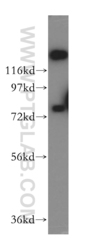
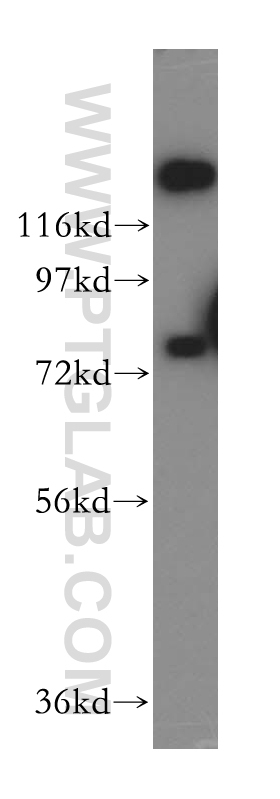
- HepG2 cells were subjected to SDS PAGE followed by western blot with 16204-1-AP(ACSS3 antibody) at dilution of 1:500
- Sample type
- cell line
Supportive validation
- Submitted by
- Proteintech Group (provider)
- Main image
- Experimental details
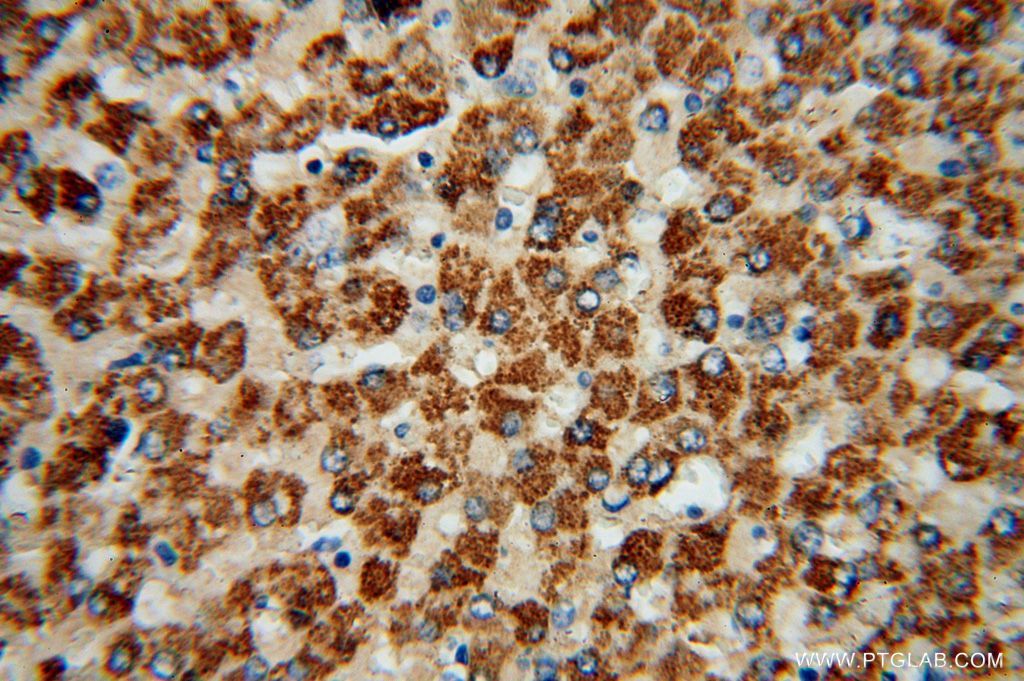
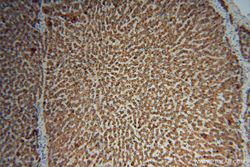
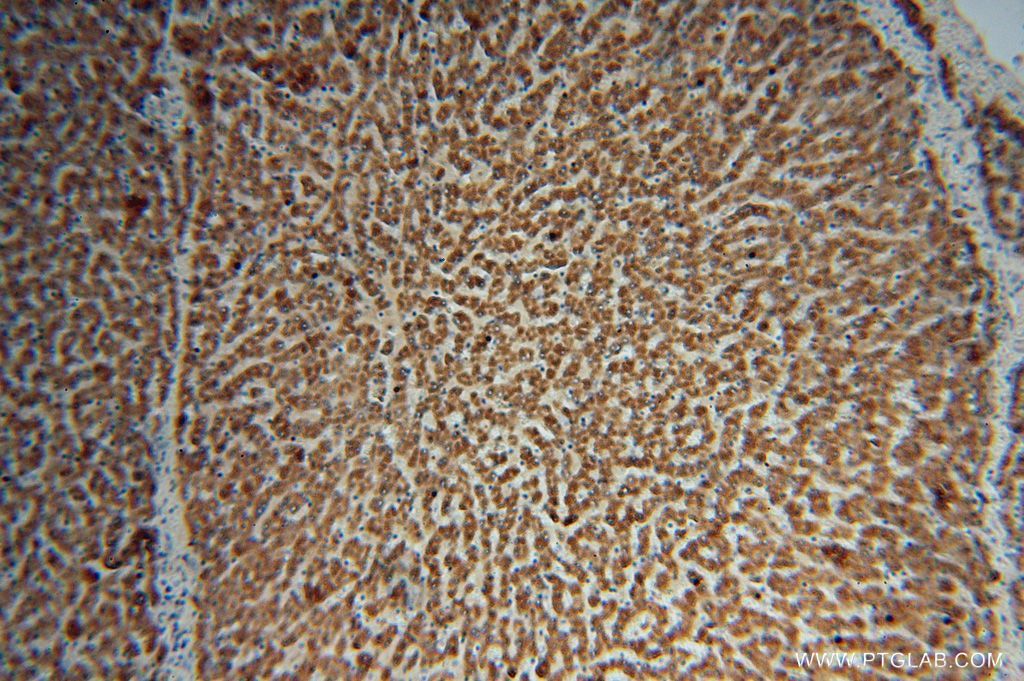
- Immunohistochemical of paraffin-embedded human liver using 16204-1-AP(ACSS3 antibody) at dilution of 1:100 (under 10x lens)
- Sample type
- tissue
- Submitted by
- Proteintech Group (provider)
- Main image
- Experimental details
- The ACSS3 antibody from Proteintech is a rabbit polyclonal antibody to a recombinant protein of human ACSS3. This antibody recognizes human,mouse,rat antigen. The ACSS3 antibody has been validated for the following applications: ELISA, WB, IHC analysis.